Lost history · 1918 · Disputed
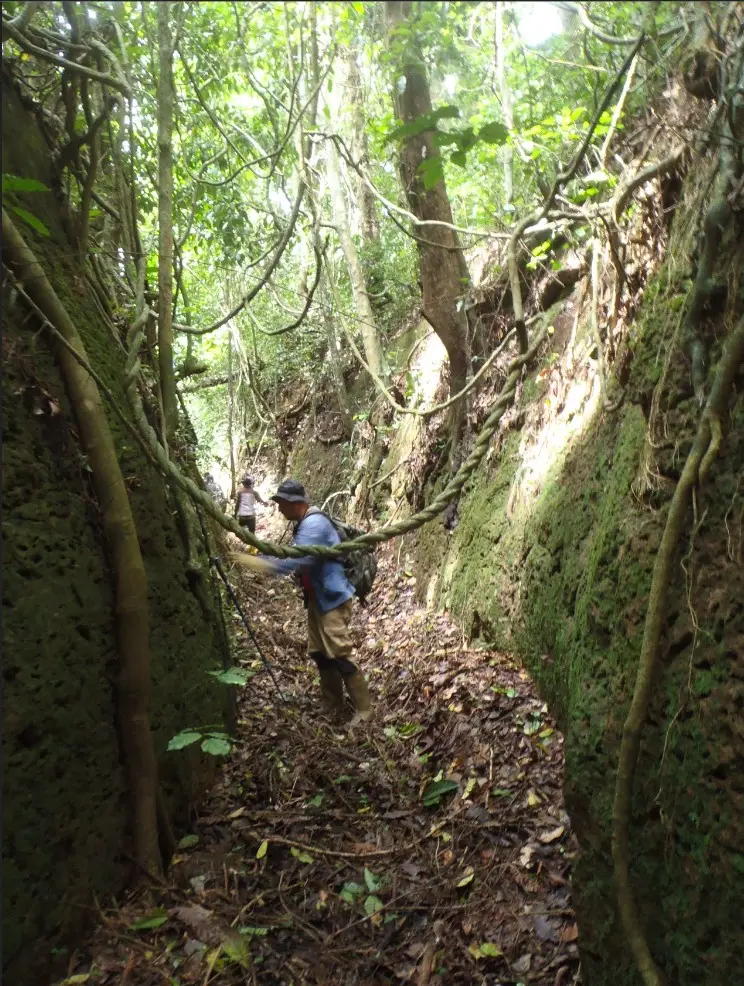
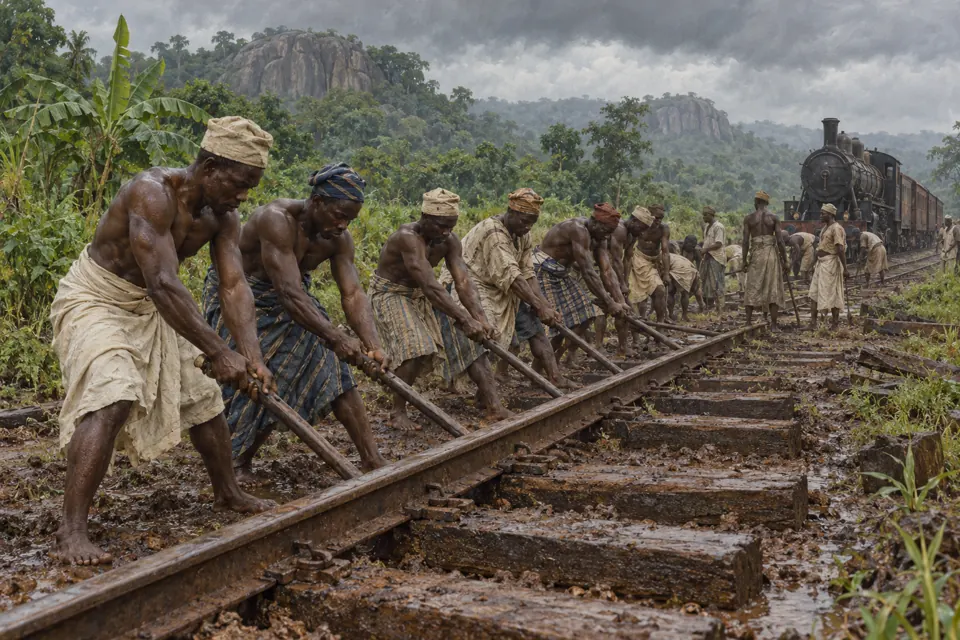
Image: Generated illustration — AI-generated with Codex image tool for Naija Tales, Generated — not a historical image
In 1918 thousands of Egba farmers rose against a new tax. They pulled up rail lines and derailed a train.
To understand why farmers in Ewekoro pulled up a railway with their hands, you have to go back to 1893. That year the Egba people of Abeokuta signed a treaty with Sir Gilbert Carter, the British governor in Lagos. Other towns around them had been conquered or swallowed, but the Egba kept their own government, the Egba United Government. It had a council of chiefs, its own courts and its own secretary, and the Alake sat at the head of it. On paper, Egbaland was free. For about twenty years that paper held. Then came 1914, and it tore. In Ijemo, a quarter of Abeokuta, people were angry with the government secretary and wanted him removed. They held a meeting about it. On the afternoon of 8 August, soldiers who had been sent in the night before opened fire on the gathering. Men, women and children were there, and so was their leader, the Oluwo Arimokunrin. A number of people were killed. Nobody has ever settled the exact count. The British used the trouble at Ijemo as their reason to end the treaty and fold Egbaland into the new Nigeria, which had just been formed that same year. Frederick Lugard ruled through chiefs, and he ruled Egbaland through the Alake. Other chiefs felt their power slipping away. Ordinary people still owed the old forced labour and fees, and on top of that they were now told they would pay tax straight to the government, something they had never done. In the farm villages south of Abeokuta, around Papalanto and Wasinmi, the anger grew quietly, the way it does when people feel they have been cheated and have no one to complain to.
The rising is named after one man. Local tellings say he was Ige Adubi, the head of a small village called Elere. His deputy, a man called Awape, also known as Molashin, worked for the British. The story goes that Awape learned the plans for the new direct tax and carried them back to Adubi, and the village decided it would not pay. Whether it began in Elere or not, the anger was spread wide. On 7 June 1918 the British arrested about seventy Egba chiefs for refusing to pay and for defying the Alake. They gave an order to everyone else: put down your guns, pay the tax, obey your rulers. Nobody obeyed. On 11 June soldiers arrived, Nigerian troops just back from fighting for Britain in East Africa during the First World War. Two days later, on 13 June, the farmers struck. At Agbesi they pulled up the railway lines, and a train came off the tracks. Another group pulled down the station at Wasinmi. They cut the telegraph wires too, so for a while Abeokuta could not send word to anyone outside. A European trading agent was killed. So was the Osile of Oke-Ona, Karunwi II, a senior Egba ruler. Why he died is still argued about. One historian says he refused to lend his name to the revolt. Another account says it may have been an old quarrel over land. Most accounts put the number who took up arms at about thirty thousand, though one local telling says three thousand. They fought with local guns against soldiers with modern rifles, at places called Otite, Tappona, Mokoloki and Lalako, for about three weeks. By 10 July it was over. The leaders were killed or arrested.
About six hundred people died. The British had won the fight, yet they still stepped back on the very thing that started it. Direct tax in Egbaland was put off until 1925, seven years later. The soldiers who put down the rising were given the Africa General Service Medal. Awape, the deputy who had carried the secret home, is said to have been jailed for six months. A Commission of Enquiry was set up to look into what had gone wrong. Its report was never published, because Lugard objected to it. The typed copy, with his comments on it, sits today in a library in Oxford. Even the date Egba independence finally ended is told two ways. Some say it was lost in 1914, after Ijemo. Others say the last of it was taken away in 1918, after the rising. What the people kept was the song. It was sung during the war and it is still known in Egbaland. It tells listeners not to turn right or left, because trouble is heading for the rich man's house. It sings of a man who lost his nerve, turned back and hid himself under leaves, with his mother crying like a goat and his father crying like a partridge. One line says they poured sugarcane juice into the stew, a nod to the cane farms around Elere. Fela Anikulapo-Kuti, who was himself Egba, took that old war song and made it famous as 'Gbagada Gbogodo' in 1971. Elere is still there, a village near Itori, not far from Papalanto on the Lagos to Abeokuta road, and the sugarcane still grows. The Adubi War rarely makes it into school books, even though it came a full eleven years before the Aba Women's War in the east. If you ride past Agbesi today, you are passing the place where farmers decided a railway was worth tearing up rather than pay for a government they never chose.