Lost history · 1929 · Disputed
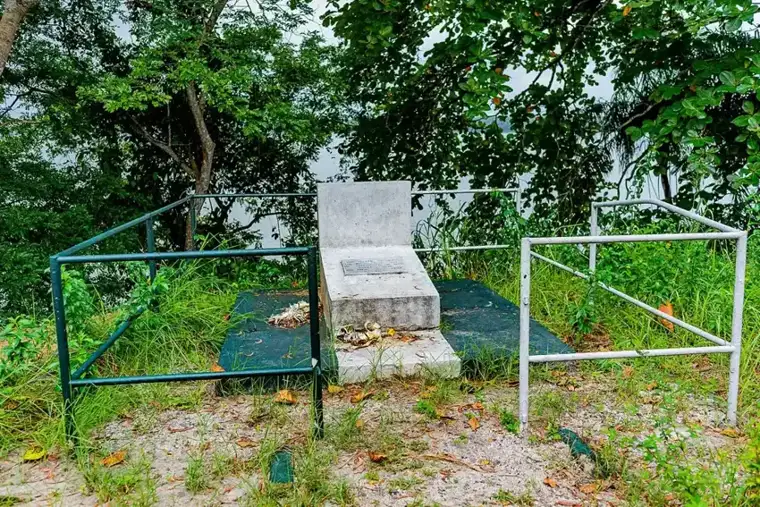
Image: The Mock Grave of the 1929 Women Riot.jpg — Dappa Solomon, CC BY-SA 4.0 · source
It started with one question about goats. It ended with thousands of women shaking colonial rule in the east.
In 1928 the British brought direct tax to southeastern Nigeria. Men paid it, and the men who collected it were the warrant chiefs. These were local men the colonial government had picked and given a paper warrant of authority. Many had no traditional claim to lead anyone, and people resented them for it. The first year of the tax passed without much trouble. Officials in the east congratulated themselves.
The next year they began to count again. In Bende Division the warrant chiefs were told to reassess people's wealth, and some started counting women, children and animals as well as men. The women drew the obvious conclusion. Their husbands had been counted and then taxed, and now it was their turn. The rumour moved fast, because this was palm-forest country with a market every few miles, and the markets were run by women. Times were already hard. The price of palm produce, the oil and kernels women sold, was falling, and new customs duties had made everyday imported goods dearer. Women who depended on that trade could not see where tax money would come from.
In Oloko, the warrant chief Okugo did as he was told, reluctantly. In November 1929 a man named Mark Emeruwa, counting on his behalf, walked into a compound and found a married woman named Nwanyeruwa pressing palm oil. He told her to count her goats and sheep. She asked him angrily whether his mother had been counted. Words turned to blows, and the two seized each other by the throat.
Nwanyeruwa went straight to the women's meeting. The women of Oloko had already been talking about the tax, and her story looked like proof. They sent out palm fronds, the sign of trouble and a call for help, to women in the villages around.
Igbo women had an old punishment for a man who wronged them. They would come to his house together, sing about what he had done, dance, and refuse to leave until he made it right. They called it sitting on him.
The women came to Oloko from all around, in their thousands. They went to Okugo's compound and sat on him. They pulled him out of his house, sang his offences at him and demanded his cap of office. They charged him with assault before the district officer at Bende, Captain Cook.
Cook arrested Okugo and took him to the station. The women followed, close to ten thousand of them by the officer's own estimate, and camped around the district office. They wanted his cap, and Cook threw it to them. They tore it apart. They stayed until Okugo was tried and sentenced to two years in prison for assault, and they got a written promise that women would not be taxed.
But the women did not trust the promise, and the sitting spread. In December the protest moved across Owerri and Calabar provinces, an area of some six thousand square miles, among Igbo and Ibibio women and their neighbours. The women came with faces smeared with charcoal or ash, wearing loincloths and carrying sticks wreathed in young palm leaves. They sang mocking songs at warrant chiefs until some handed over their caps. As it spread it grew angrier. At least ten native courts were destroyed. European trading stations at Aba and other places were looted. Women broke open prisons and set the prisoners free.
The government sent in soldiers and police. In mid-December troops fired into crowds of women, first at Utu Etim Ekpo and then at Opobo, where the shooting was worst. The figures given at the time and since do not agree. Most accounts put the total dead at between fifty and fifty-five, almost all of them women. Afterwards the government punished whole villages and held punitive inquiries across the region. British records called it the Aba Riots, as though it had been a few days of looting in one town.
Two commissions of inquiry followed. The second sat for thirty-eight days in 1930 at towns across both provinces and heard 485 witnesses. Nwanyeruwa herself was one of them. Women spoke about falling prices, crooked chiefs and their fear of the tax, and their words went into the official record. Those records are why historians know so much about what the women did and why.
The women had won their main point. They were not taxed. Within a few years the warrant chief system was being taken apart, and the courts were rebuilt around the ways Igbo and Ibibio towns had actually governed themselves.
Nigerians remember it by its own names: Ogu Umunwanyi, the Women's War, in Igbo, and Ekong Iban in Ibibio. Historians count it among the first great challenges to British rule in West Africa. It began with a woman pressing palm oil and a question about a man's mother.