Lost history · 1902–1933
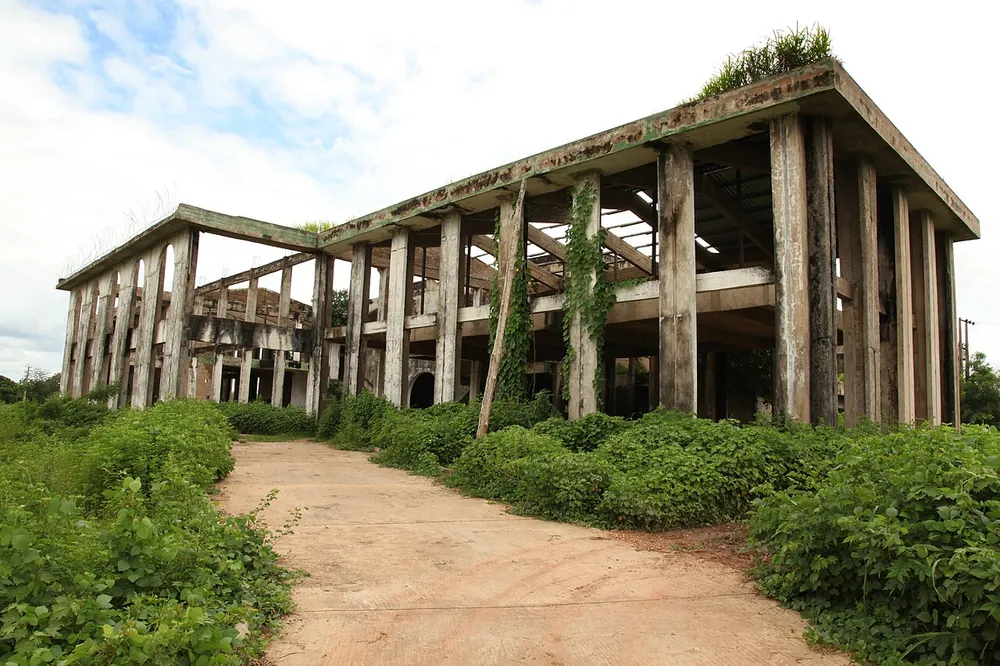
Image: Nnamdi Azikiwe's birthplace, Zungeru.jpg — Jeremy Weate from Abuja, Nigeria, CC BY 2.0 · source
Before their names filled Nigeria's history books, Azikiwe and Ojukwu shared a birthplace in a northern town that once held colonial power.
In 1904 a clerk from Onitsha named Obed-Edom Chukwuemeka Azikiwe was working for the British in Zungeru, a town on the Kaduna River in Nupe country. That year his son was born. They called him Nnamdi.
The boy grew up speaking Hausa, the language of the streets around him. His father worried. So he sent Nnamdi back to Onitsha to learn Igbo and the ways of his own people. The man who would become Nigeria's first president had to learn his mother tongue as a second language.
Zungeru was a busy place then. In 1902 Frederick Lugard had made it the capital of the Protectorate of Northern Nigeria. The British built offices, army barracks, a hospital and a market. Clerks, soldiers and traders came from all over to work there, Azikiwe's family among them.
In 1916 the capital moved to Kaduna, and the officials left. Zungeru grew quiet. But families stayed.
On 4 November 1933 another boy was born in Zungeru. His father was Louis Odumegwu Ojukwu, a businessman from Nnewi who would become one of Nigeria's best-known businessmen. The baby was Chukwuemeka Odumegwu Ojukwu.
Twenty-nine years apart, two Igbo boys had been born in the same small northern town. Azikiwe became Nigeria's first president in 1963. Ojukwu led Biafra in the civil war that began four years later.
There is no plaque that ties them together, and they did not grow up as friends. Zungeru just happened to be where their fathers' work took them.
Today it is a quiet town in Wushishi, Niger State. Few Nigerians know it was once a capital. Fewer know that both men were born here, far to the north of the places they are linked with.