Lost history · Early 1900s
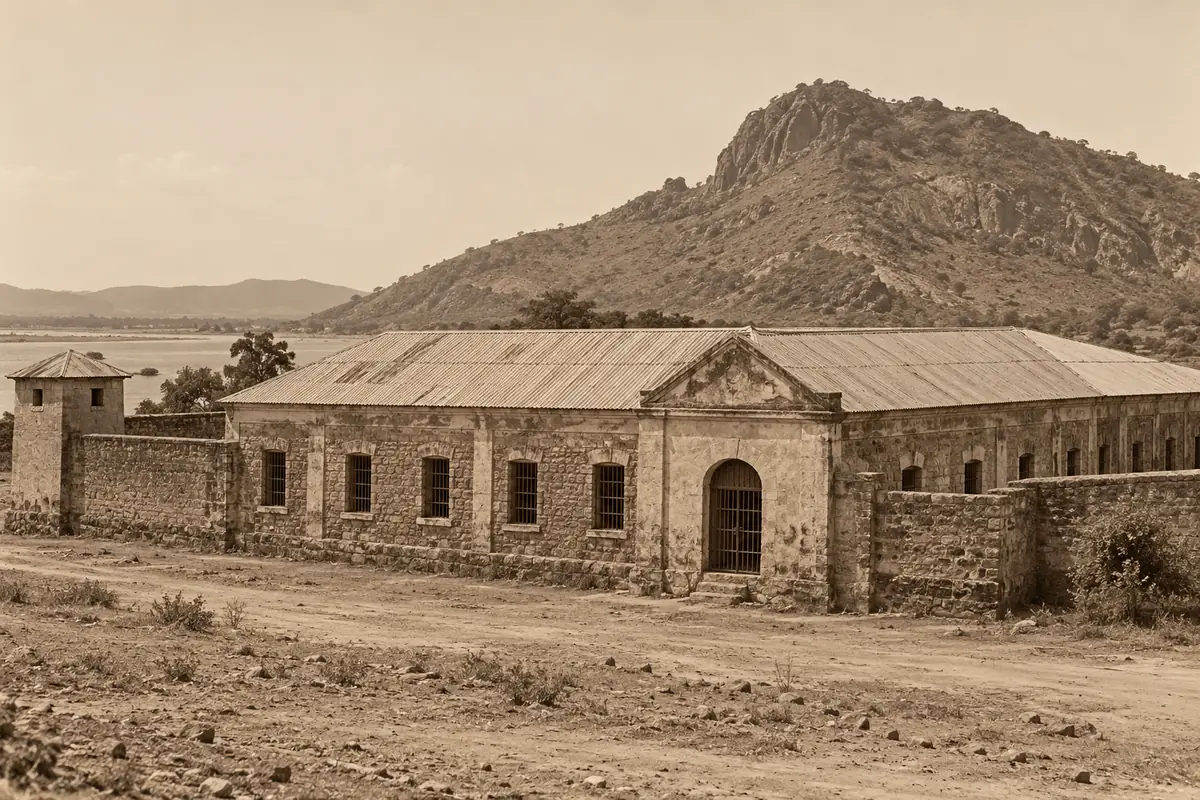
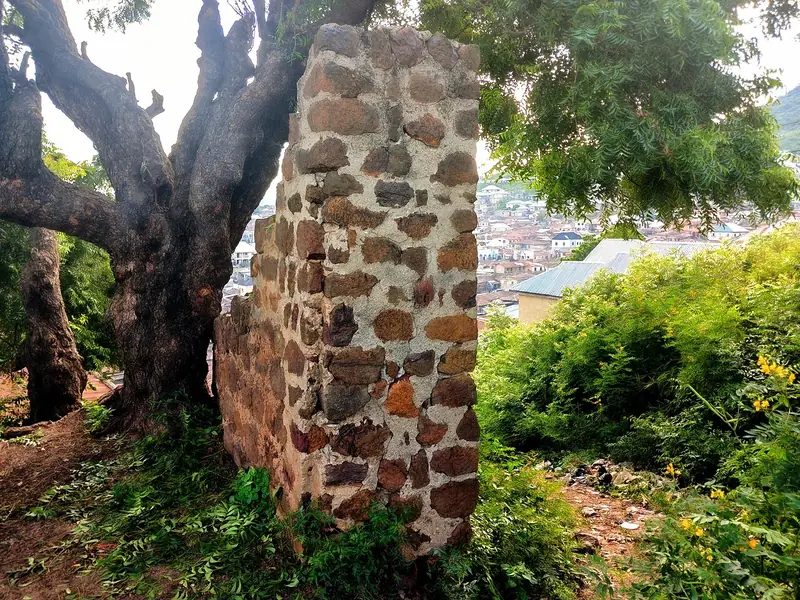
Image: Relics of the First Prison Yard in Northern Nigeria, Lokoja 01.jpg — ABORISADEADETONA, CC0 · source
In Lokoja, the graves of banished northern rulers tell the human story behind Britain's early colonial headquarters.
When the British took over northern Nigeria, they had a problem with emirs who would not cooperate. Removing a man from his throne was easy. Keeping him from getting it back was harder. The answer was distance. Several deposed rulers were sent to Lokoja.
They came without their power, often with their families trailing after them. Some never left. Their graves are still in the town.
Lokoja was a natural choice. It sits where the Benue joins the Niger, under the long ridge of Mount Patti. When rivers were the highways, everyone passed through. In 1900 the British made it the first capital of the Protectorate of Northern Nigeria. Their officers ran the north from here, and a fallen emir in Lokoja could be watched.
But Lokoja was not only a colonial town. Nupe, Hausa and people from all over what would become Nigeria lived there. An exiled ruler could find people who spoke his language and kept his customs. Some lived out their lives among their own people, under British eyes.
These are family graves as well as monuments. When visitors came to the tombs, a descendant of a deposed Etsu Nupe asked for help repairing them. To his family, the old ruler was not just a piece of colonial history. He was a grandfather.
Near the graves are other ruins from those early years: European cemeteries, and a prison with a watchtower, built around 1902 and called the first prison in the old Northern Region. A study in 2014 found them badly neglected and argued they should be looked after together, as one record of how colonial rule began.
Start with the emirs, though. Each grave marks a man who once ruled a kingdom, and died hundreds of kilometres from it.