Legend · c. 1095 to 1933 · Mixed
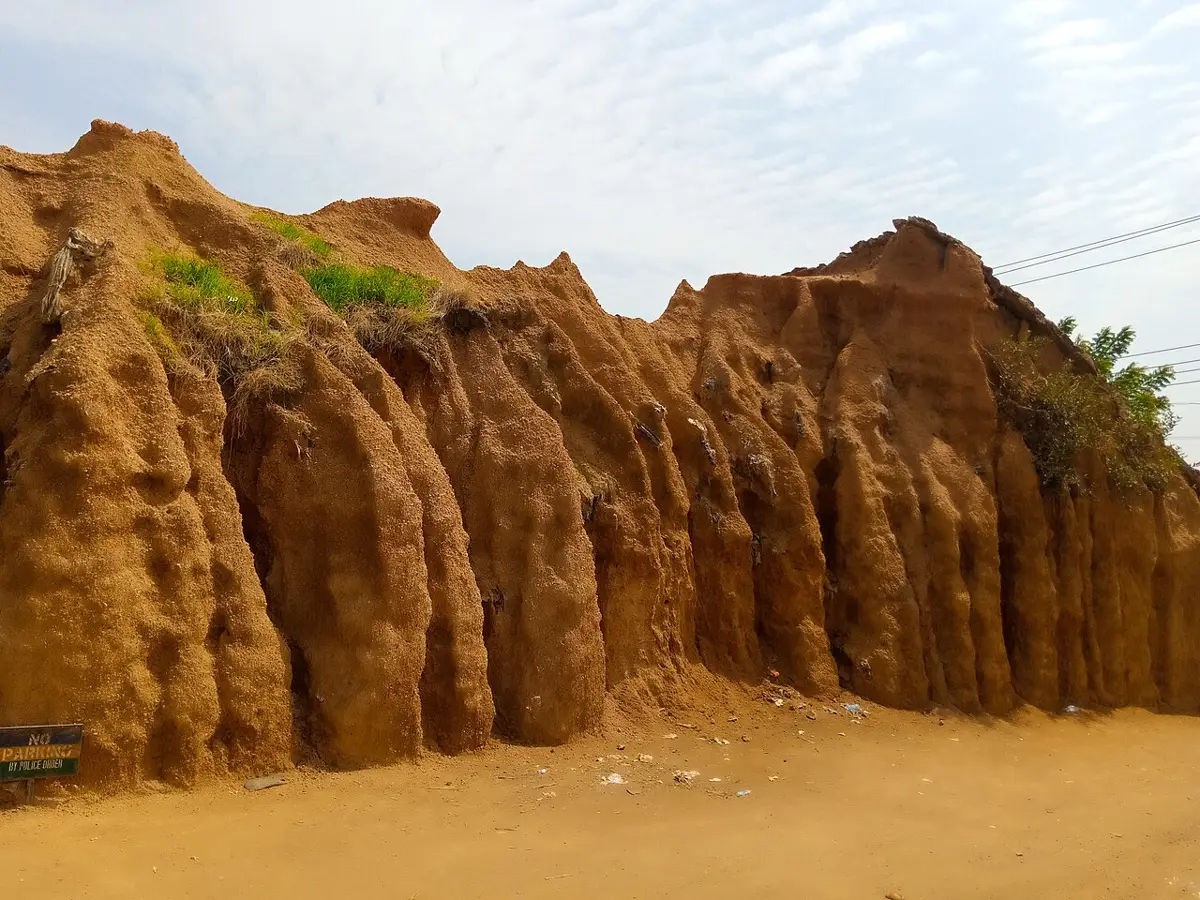
Image: Ancient Walls of Kano Emirate 02.jpg — Anasskoko, CC BY-SA 4.0 · source
Kano children still learn the names of the city's gates in a song. One of them is called the New Gate. It is nearly a hundred years old, and the wall it cuts through is close to a thousand.
People in Kano call it Badalar Kano, and for a long time it was the thing they were proudest of. A writer in Daily Trust once compared it to the Great Wall of China and the pyramids of Egypt. That pride used to be taught early. Children were encouraged to memorise the names of the wall's gates through a song, and the song became a kind of anthem.
The wall was built for war. The historian Malam Idris Bashir told Daily Trust it went up to protect the city from enemies and to give people time to prepare for a fight. He dates its beginning to the 12th century, in the reign of Gijimasu, who ruled from 1095 to 1134. It was expanded later under Muhammadu Rumfa, the king who also moved the palace to where it stands today.
Elders give its shape and size from the old books. Alhaji Habu Mada, then 72, of Gabari Quarters, said the wall had 15 gates and ran for about 19 kilometres around. Its first shape, he said, was a triangle, and it marked the edge of the ancient city.
The wall was more than a defence. It was also a customs post. Every gate had a custodian, the sarkin kofa, a loyal servant of the emir with a small army attached to him. Each night the sarkin kofa locked his gate, and nobody got in until the next morning. Traders coming to do business were checked at the gate and taxed. Since the gates were the only way into the city, and they were well guarded, it was hard for any enemy to take Kano by surprise.
The first gate, by Mada's account, was Kofar Kansakali, built between 1095 and 1135. Then he recited all fifteen, the way he must have learned them as a boy: Kofar Nasarawa, Sabuwar Kofa, Kofar Dan Agundi, Kofar Naisa, Kofar Gadankaya, Kofar Famfo, Kofar Dukawiya, Kofar Kabuga, Kofar Kansakali, Kofar Waika, Kofar Ruwa, Kofar Dawanau, Kofar Wambai, Kofar Mazuga and Kofar Mata.
Each gate came with its own story, and the people who look after them still tell them.
Malam Ibrahim Ahmad Isma'il is the sarkin kofa of Kofar Nasarawa, and the seventh custodian of the gate from his family. There were others before his family, he says, but he cannot say how many. The gate used to be called Kofar Kewaye. Emirs went out to war through it and usually came back victorious, so in Muhammadu Rumfa's time it was renamed the gate of victory, Kofar Nasarawa. It has been restored twice, once between 1970 and 1972 under Governor Audu Bako, and again in 2014 under Governor Rabi'u Musa Kwankwaso.
Kofar Kansakali, the oldest, is said to take its name from a blacksmith. Kofar Dawanau is said to be named after the third son of a blacksmith. Kofar Mazuga is said to be named after a woman called Mazugal.
Kofar Mata has one of the nicest stories. It was first called Kofar Fagge. Then one of its custodians planted a big tree beside it, and the shade drew so many women hawkers that people started calling it Kofar Mata, the women's gate.
Kofar Wambai has changed its name more often than most. It is said to date from 1118 and was first called Kofar Adama. About 300 years later, Emir Daudu renamed it Kofar Dagaci. Later still, Emir Muhammadu Nazaki renamed it again, after his son, who held the title of Wambai of Kano.
And then there is Sabuwar Kofa, whose name simply means the new gate.
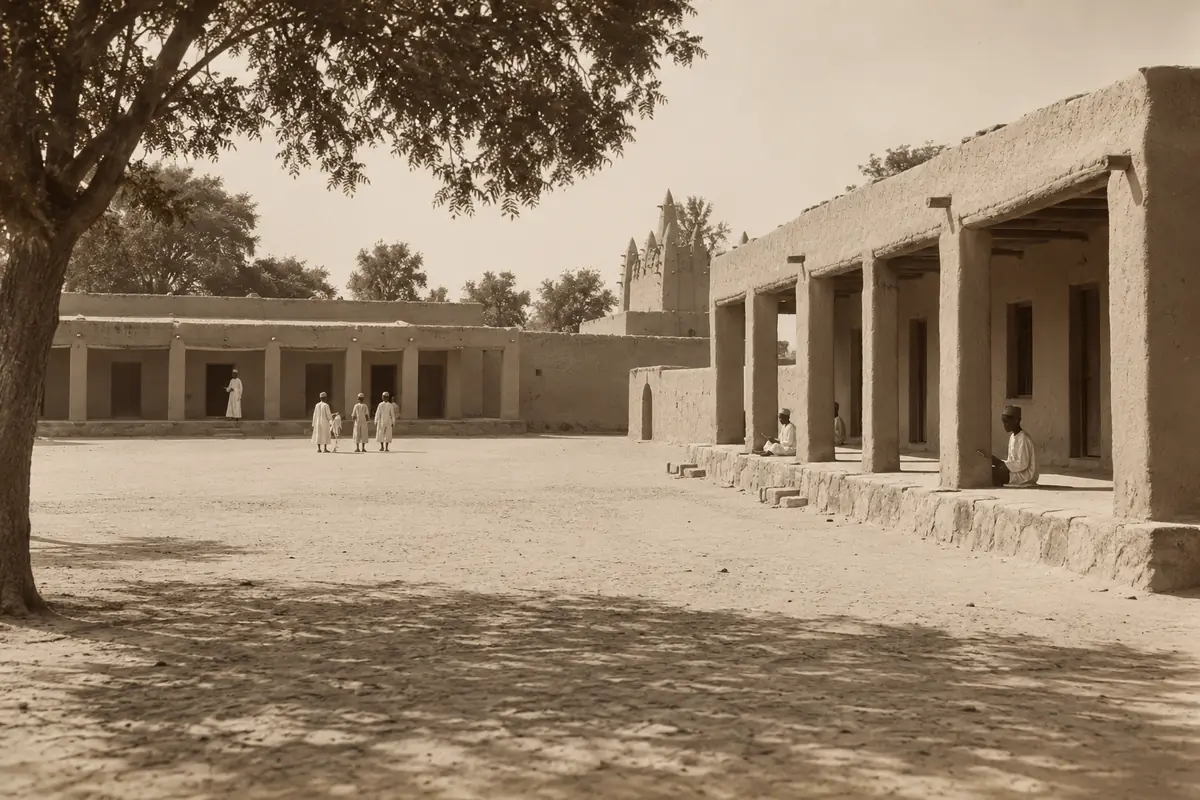
According to the account Daily Trust gathered, it was built in 1933 by Emir Abdullahi Bayero, and it was not built for war at all. It was cut through to save schoolboys a long walk. It was meant to shorten the daily walk for students of what was then Kano Middle School, now Rumfa College. The new opening was first named Kofar Rumfa, after Muhammadu Rumfa, but people kept calling it the new gate, and the name stuck. Not everyone agrees on the date, Alhaji Habu Mada said only that it came after the British invasion of 1903. Either way, a gate built for pupils is the baby of a wall that is close to a thousand years old.
The wall and its gates were once the emir's to protect. In 1959 the Federal Government declared them a national monument, which made them the government's responsibility. UNESCO now lists the ancient walls and their associated sites on its tentative list for World Heritage status.
The listing has not saved them. Daily Trust found the wall threatened by neglect and encroachment, with stretches being replaced by houses, fuel stations and other buildings. A report from the Gidan Makama Museum, which looks after the wall, says people pull down parts of it to build their homes, and that less than a quarter of it is still standing. Kano children may still sing the names of the fifteen gates, but many of them now pass through gaps where the wall used to be.